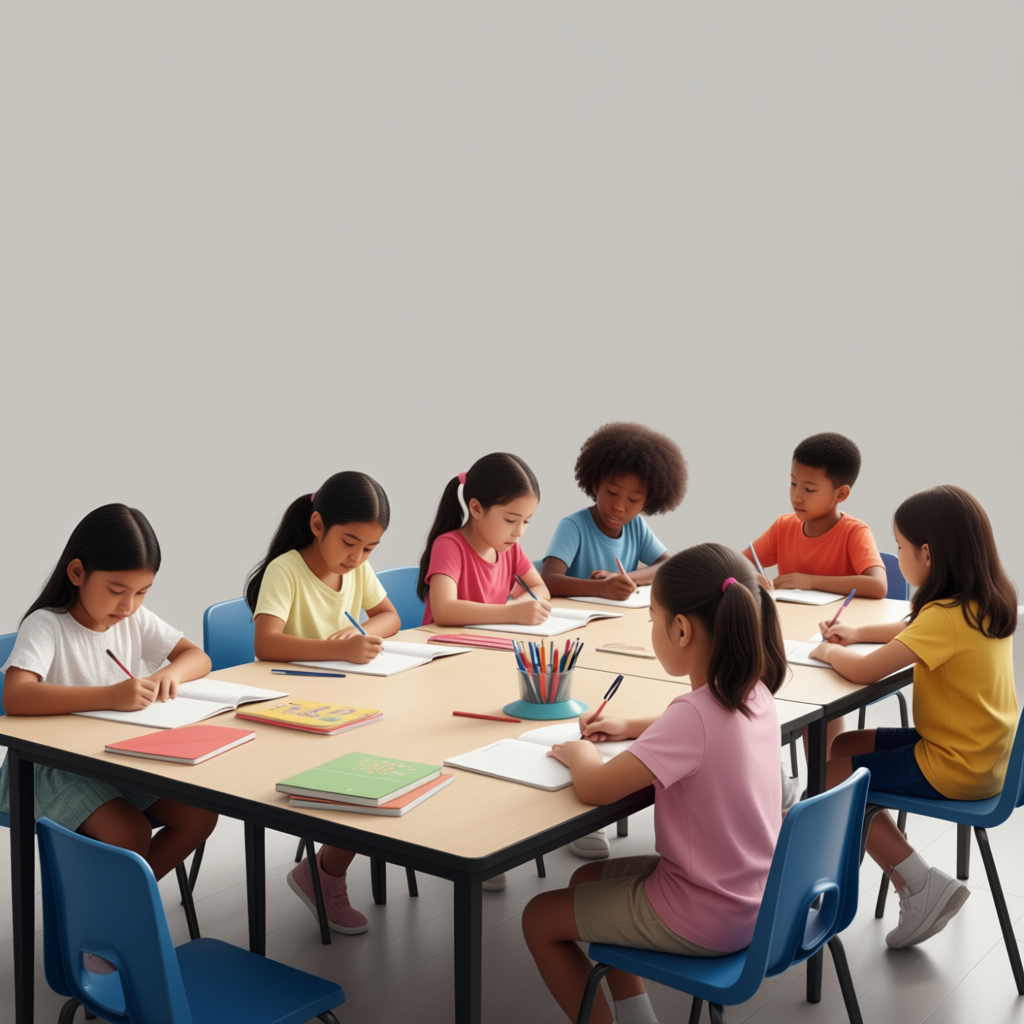
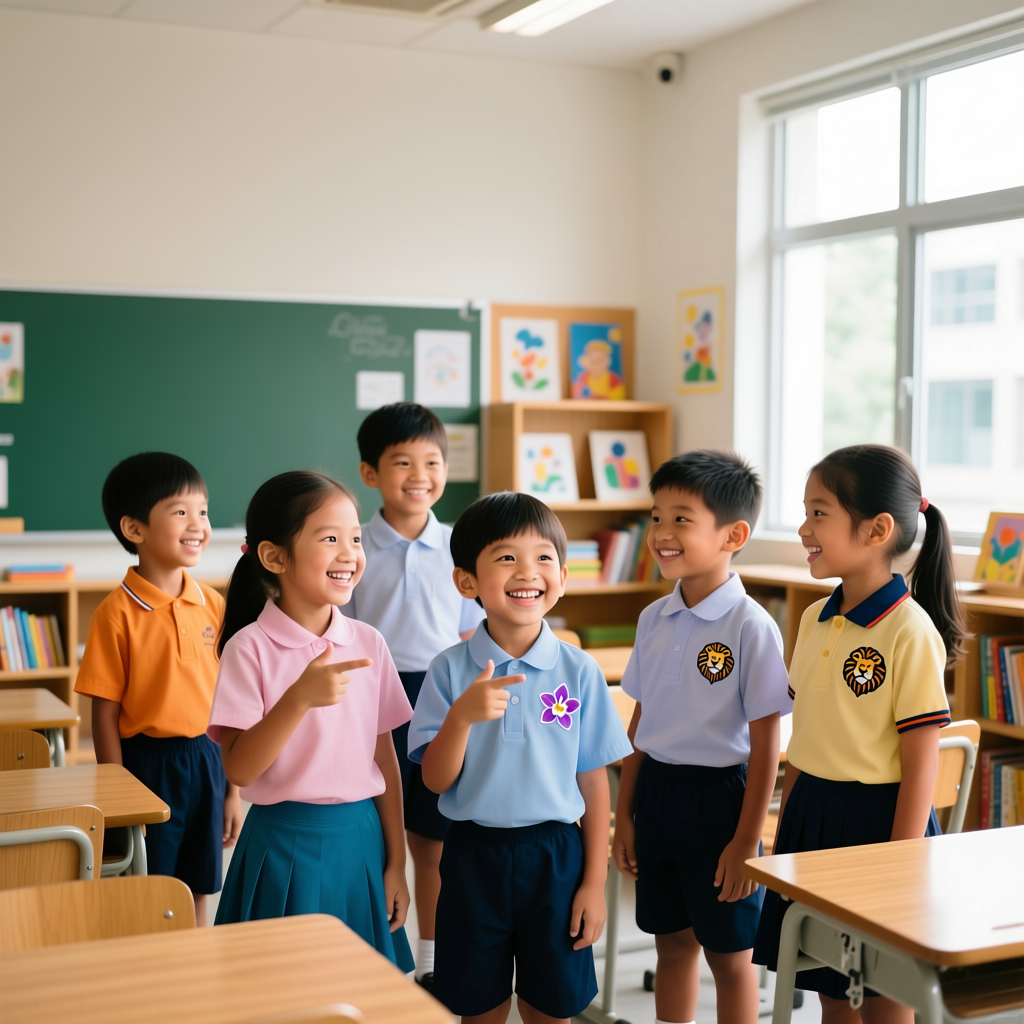
Writing is one of the most important skills children develop during their primary school years. Good writing helps students express ideas clearly, organise their thoughts, and communicate with confidence. In Singapore, many parents are looking for learning programmes that not only improve language skills but also encourage children to think independently. A well-structured Primary creative writing class can help students become more confident writers while developing creativity, critical thinking, and stronger English abilities.
Composition writing is not simply about memorising phrases or following fixed formats. It is about teaching children how to think creatively, solve problems, and express personal ideas effectively. Through proper guidance and regular practice, students can develop the confidence to create meaningful stories and write independently during school assessments and examinations.
Why Independent Thinking Matters in Writing
Independent thinking allows students to develop original ideas and express themselves naturally. Instead of relying on memorised essays, students learn how to create stories using their own imagination and experiences.
Children who think independently are often able to:

Develop unique storylines
Organise ideas more clearly
Express emotions effectively
Solve writing challenges creatively
Build stronger communication skills
Independent thinking also helps students become more confident learners because they understand how to approach writing tasks on their own.
A strong composition writing class encourages students to explore different perspectives, think creatively, and develop their own writing style.
The Importance of a Primary Creative Writing Class
A Primary creative writing class provides students with structured guidance that helps them improve composition writing step by step. These lessons focus on developing creativity while strengthening grammar, vocabulary, sentence structure, and storytelling techniques.
Many students struggle with writing because they are unsure how to start a story or organise their ideas. Writing classes help children understand how to plan compositions, create interesting characters, and build engaging storylines.
Some important skills taught in a Primary creative writing class include:
Story Planning
Students learn how to organise their ideas before writing. Planning helps them structure stories clearly and avoid confusion.
Creative Expression
Children are encouraged to use imagination and describe situations, emotions, and actions in meaningful ways.
Vocabulary Development
Students improve their language abilities by learning stronger vocabulary and descriptive phrases.
Sentence Structure
Good writing requires clear and varied sentence patterns. Students learn how to build smooth and engaging sentences.
Confidence Building
Regular writing practice helps students feel more confident during classroom activities and examinations.
How Composition Writing Encourages Creativity
Creative writing allows students to think beyond simple answers and explore different possibilities. This process strengthens imagination and improves communication skills at the same time.
Through guided writing activities, students learn how to:
Create interesting characters
Develop exciting story events
Build suspense and emotion
Write realistic dialogue
Describe settings clearly
These skills help students produce compositions that are more engaging and memorable.
Creative writing also supports emotional development because students learn how to express thoughts and feelings more openly through storytelling.
The Connection Between Writing and Primary English Comprehension
Strong writing skills are closely connected to Primary English Comprehension abilities. Students who understand reading passages well are often better at expressing ideas clearly in writing.
Reading and comprehension activities help students:
Learn sentence structures naturally
Improve vocabulary usage
Understand story organisation
Recognise descriptive language
Develop critical thinking skills
When students read regularly, they become more familiar with good writing techniques. This improves both comprehension and composition performance.
A good english writing class for primary school often combines reading and writing activities to strengthen overall language development.
Benefits of an English Writing Class for Primary School Students
Many students benefit from extra writing support outside regular school lessons. An english writing class for primary school provides focused learning opportunities that help students improve at their own pace.
Some important benefits include:
Individual Guidance
Teachers can identify areas where students need improvement and provide targeted support.
Structured Learning
Lessons are designed to help students build writing skills gradually and confidently.
Regular Practice
Frequent writing exercises improve consistency and writing fluency.
Better Exam Preparation
Students become more familiar with composition formats and examination expectations.
Improved Language Confidence
Children who practise writing regularly often become more confident speakers and communicators as well.
Common Challenges in Composition Writing
Many primary school students face difficulties when writing compositions. Understanding these challenges helps teachers and parents provide better support.
Limited Vocabulary
Students may struggle to describe situations effectively because they do not know enough expressive words.
Weak Story Development
Some students write short stories with limited details and weak organisation.
Poor Grammar
Grammar and punctuation mistakes can reduce writing clarity.
Fear of Making Mistakes
Students who lack confidence may avoid trying new ideas in their writing.
Difficulty Generating Ideas
Many children struggle to think creatively during examinations.
A good composition writing class helps students overcome these challenges through guided learning and continuous encouragement.
Building Better Writing Habits
Writing improves through regular practice. Students who write consistently become more comfortable expressing ideas and organising thoughts.
Helpful writing habits include:
Reading storybooks regularly
Keeping a vocabulary notebook
Writing short stories often
Practising descriptive writing
Reviewing and correcting mistakes
Over time, these habits help students become stronger and more independent writers.
How Parents Can Support Creative Writing at Home
Parents play an important role in helping children improve writing skills. A supportive environment can encourage children to enjoy writing and develop confidence.
Simple ways parents can help include:
Encouraging Daily Reading
Reading exposes children to better vocabulary, sentence structures, and storytelling techniques.
Talking About Ideas
Discussing creative situations and story ideas helps children think more imaginatively.
Praising Effort
Positive encouragement motivates children to continue improving.
Creating Writing Opportunities
Parents can encourage children to keep journals, write short stories, or describe daily experiences.
Supporting Independent Thinking
Allowing children to develop their own ideas builds creativity and confidence.
The Long-Term Benefits of Creative Writing
Creative writing develops skills that go beyond school examinations. Students who practise writing regularly often become:
Better communicators
More organised thinkers
Stronger problem-solvers
More confident learners
Better readers and speakers
These skills continue to support students throughout secondary school and future academic challenges.
Creative writing also encourages curiosity and imagination, helping children become more open-minded and expressive individuals.

Why Composition Writing Matters for PSLE Preparation
Composition writing is an important component of English examinations in Singapore. Students are expected to write clear, organised, and creative compositions that demonstrate strong language abilities.
A structured composition writing class helps students prepare for these expectations by teaching them:
Effective planning techniques
Strong introductions and conclusions
Creative storytelling methods
Better sentence variety
Vocabulary usage strategies
Time management during exams
Students who practise regularly often become more confident and perform better during examinations.
Conclusion
A Primary creative writing class can help students in Singapore develop stronger writing skills while encouraging creativity and independent thinking. Through guided practice, students learn how to organise ideas clearly, express emotions naturally, and create engaging stories with confidence.
An effective english writing class for primary school also supports Primary English Comprehension development by strengthening vocabulary, grammar, and critical thinking abilities. A well-structured composition writing class encourages students to think independently, solve writing challenges creatively, and communicate more effectively.
With regular practice, supportive guidance, and opportunities to explore their imagination, students can develop lifelong writing skills and become more confident learners in creative writing primary school education.



Write a comment ...